
Understanding the difference between ODM (Original Design Manufacturer) and OEM (Original Equipment Manufacturer) can be crucial to the success of your business, especially if you’re involved in product manufacturing or sourcing. Both models offer unique advantages and disadvantages depending on your product needs, budget, and long-term goals. In this guide, we’ll explore both ODM and OEM, their key differences, and help you determine which option is right for your business.
1. Introduction
Overview of ODM and OEM in Manufacturing
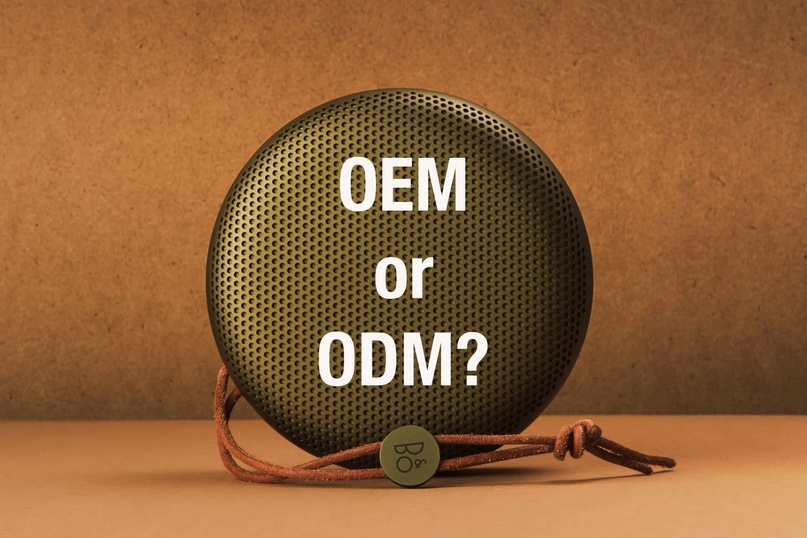
ODM and OEM are two common manufacturing models used by businesses worldwide. ODM manufacturers design and create products that other companies can brand and sell as their own. OEM manufacturers, on the other hand, produce goods according to the design specifications provided by the buyer, offering more control and customization.
Why Understanding the Difference is Important for Businesses
Choosing between ODM and OEM has a significant impact on your product development process, branding, cost structure, and time to market. Understanding which model suits your business needs can help you streamline production and maintain a competitive edge.

2. What is ODM Manufacturing?
ODM, or Original Design Manufacturer, refers to companies that design and produce products, which are then sold to other companies under their own brand name. In this model, the buyer typically selects a pre-designed product and adds their branding to it.
Typical ODM Process Flow
- ODM designs and develops a product.
- The buyer selects a design.
- Custom branding and packaging are added.
- The ODM manufacturer produces the final product.
ODM in the Global Supply Chain
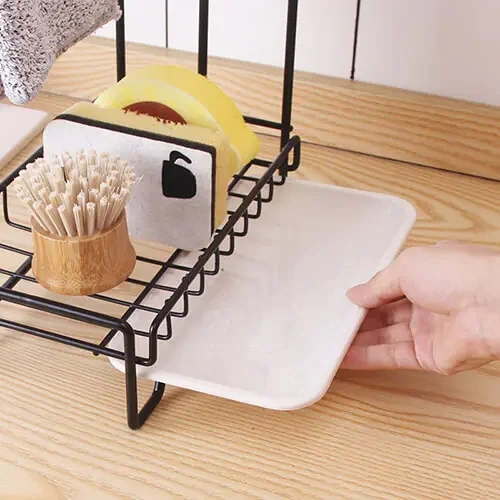
ODM manufacturers play a vital role in industries where speed and cost efficiency are crucial. Many global brands rely on ODM suppliers for fast, affordable production, particularly in sectors like electronics and fashion.
3. ODM: Advantages and Disadvantages
Advantages:
- Faster Time to Market: Products are pre-designed, allowing quicker production and distribution.
- Cost-Effective Product Development: No need for R&D; buyers use existing designs.
- Simplified Supply Chain: The manufacturer handles design, materials, and production.
- Established Designs Ready for Production: Proven designs ensure fewer product development issues.
Disadvantages:
- Limited Product Differentiation: Since the design is shared, competitors may have similar products.
- Intellectual Property Concerns: ODMs may reuse designs for other clients.
- Dependency on Manufacturer’s Design: Buyers have less control over the final product’s uniqueness.
4. ODM Manufacturing Industries
ODM manufacturing is prevalent in various industries where speed and standardization are important. These include:
- Electronics (smartphones, laptops)
- Apparel and Textiles
- Home Appliances
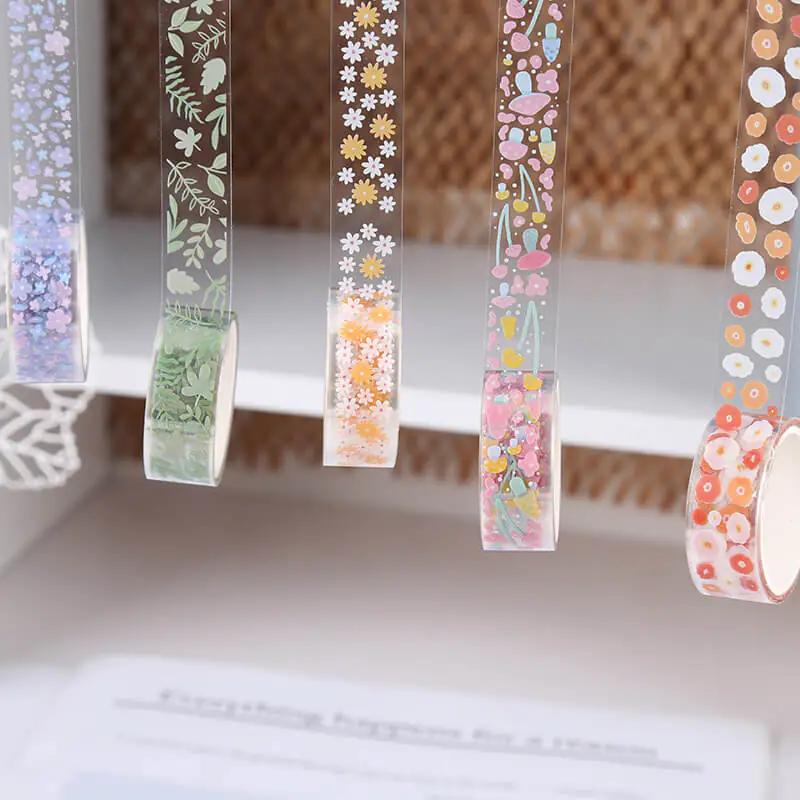
- Toys and Gifts
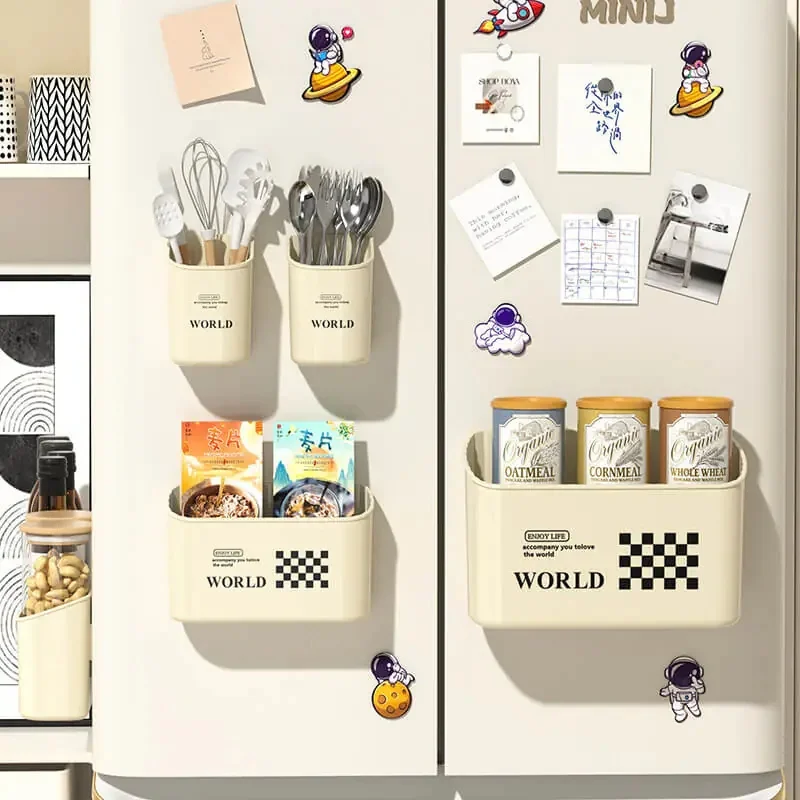
- Furniture and Home Decor

5. What is OEM Manufacturing?
OEM, or Original Equipment Manufacturer, refers to companies that manufacture products based on the designs provided by the buyer. Unlike ODM, OEMs do not own the design and are responsible only for the production.
Typical OEM Process Flow
- The buyer provides detailed product specifications.
- OEM manufactures the product based on the design.
- Products are branded and sold by the buyer.
OEM’s Role in Custom Production
OEM manufacturers are essential for businesses that require custom-made products. The buyer retains full control over the design and development process, allowing for maximum customization.
6. OEM: Advantages and Disadvantages
Advantages:
- Full Control Over Product Design: Buyers create unique products based on their specifications.
- Greater Brand Differentiation: Custom designs help establish a distinct market presence.
- Intellectual Property Ownership: The buyer owns the design, protecting the product from duplication.
Disadvantages:
- Longer Lead Time for Product Development: Custom design takes more time to develop and produce.
- Higher Upfront Costs: Investment in R&D and prototyping increases initial costs.
- Complex Supply Chain Management: Buyers must coordinate between design, material sourcing, and production.
7. Comparison Table Between ODM and OEM
| Feature | ODM | OEM |
|---|---|---|
| Product Customization | Limited to branding | Full customization possible |
| Cost and Pricing | Lower upfront cost | Higher development cost |
| Time to Market | Faster | Slower |
| Intellectual Property | Manufacturer owns design | Buyer owns design |
| Flexibility and Control | Limited control over design | Full control over product |
8. ODM vs. OEM: Which Should I Choose?
Factors to Consider:
- Business Goals and Scale: For faster production, choose ODM; for long-term brand differentiation, OEM may be better.
- Product Complexity and Innovation: OEM is ideal for complex, innovative products, while ODM works for standard products.
- Budget Constraints: ODM requires less investment; OEM requires higher upfront costs.
- Brand Positioning and Differentiation: If branding and product uniqueness are priorities, OEM offers more control.
- Long-Term Business Strategy: Consider the scalability and future goals of your business when choosing between ODM and OEM.
9. How to Start Your OEM and ODM Service
9.1 Initial Research and Feasibility
- Assess market demand for your product and whether an ODM or OEM model fits best.
9.2 Design and Prototyping
- Collaborate with suppliers to create prototypes and ensure product quality meets your expectations.
9.3 Negotiating Contracts
- Key contract elements include minimum order quantities (MOQs), lead times, quality control procedures, and payment terms.
9.4 Managing Production and Quality Control
- Regularly inspect products to maintain quality standards and ensure consistency throughout the production process.
10. Where to Find OEM or ODM Suppliers?
10.1 Find China Suppliers Online
- Platforms like Alibaba, Made-in-China, and Global Sources are popular for finding suppliers.
10.2 Trade Fairs or Wholesale Markets
- Canton Fair and Yiwu Market are great places to connect with suppliers in person.
10.3 Sourcing Agents
- Sourcing agents can help manage supplier relationships, negotiate prices, and handle logistics.
11. How to Identify the Right ODM & OEM Supplier?
11.1 Supplier Verification
- Check for certifications, conduct factory visits, and use third-party audits.
11.2 Evaluating Capabilities
- Assess the supplier’s production capacity, expertise, and available technology to meet your product needs.
11.3 Communication and Responsiveness
- Ensure clear communication and responsiveness in addressing issues like language barriers and customer service.
12. Process of OEM & ODM Products
A typical process for creating an OEM or ODM product includes:
- Ideation and Product Design: Develop a concept or choose an existing design.
- Supplier Selection and Contracts: Choose a reliable supplier and sign the contract.
- Prototyping and Sampling: Test prototypes to ensure quality.
- Mass Production: Begin large-scale manufacturing once the product meets all standards.
- Shipping and Logistics: Arrange for shipping and delivery of finished products.
13. Conclusion
When deciding between ODM and OEM, consider your business needs, product goals, and long-term strategy. ODM is great for faster, cost-effective solutions, while OEM offers more control over product design and brand differentiation. Making the right choice can significantly impact your brand’s future success.