
Why visit a factory?
China is the world’s factory, with a massive total value of imports and exports, and its exports hold a significant position globally. Statistics show that China currently has approximately 6.7 million factories, covering various product categories and distributed throughout every city. China produces not only a large quantity of low-quality, inexpensive goods but also luxury items, making it a crucial hub for national trade. However, it’s obvious that different factories producing the same product may have varying degrees of difference. These differences can affect prices, buyer markets, and even the entire Chinese and global markets. This highlights the necessity of factory visits. So, how can one visit a factory more efficiently and effectively? This blog post will provide some guidance.
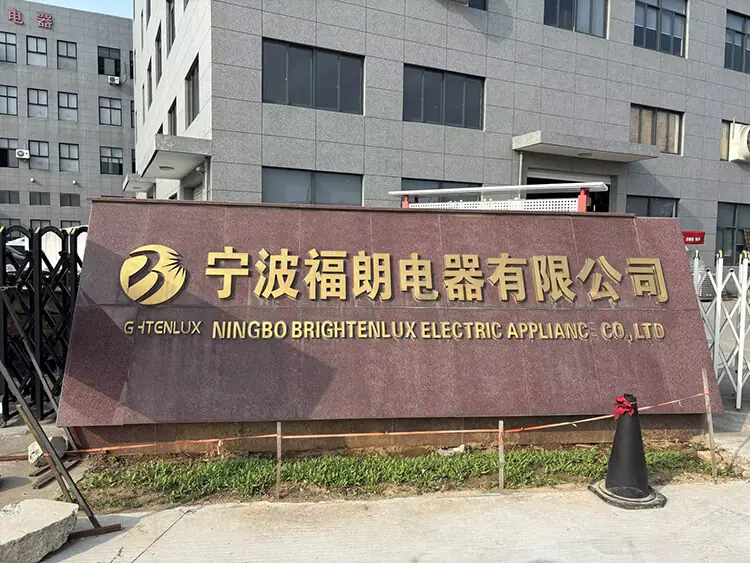
Factory Visit Process
1.Advance planning
First, we need to find the corresponding industrial areas based on the client’s needs, select the corresponding factories for the client, obtain the factory’s valid contact information and contact person to confirm the factory’s location, select high-quality factories in the same area and list them, create a detailed visit plan for the client, and specify the corresponding travel methods, hotels and timetables according to the routes of different cities..
2.Meet the client and start the visit
Once all preparations are complete, we can schedule a meeting with the guest to arrange a time and place, hold a brief meeting to understand the guest’s needs, and confirm the content and details to be discussed, as well as any points that need attention. We should then compile and organize these information and send it to the guest for confirmation.
3.Factory visit
Upon arrival at the factory, we will accompany guests through key stages including factory tours, sample inspections, and capacity assessments, ensuring efficiency and accuracy at every stop and focusing entirely on client needs and the feasibility of successful cooperation.
During the tour, different locations will reflect the factory’s strength and operational status from various perspectives. Guests can tailor their visit to the key observation points of each location, making the experience more targeted.
How to know if a factory is qualified?
Upon arrival at the factory, we will accompany guests through key stages including factory tours, sample inspections, and capacity assessments, ensuring efficiency and accuracy at every stop and focusing entirely on client needs and the feasibility of successful cooperation.
During the tour, different locations will reflect the factory’s strength and operational status from various perspectives. Guests can tailor their visit to the key observation points of each location, making the experience more targeted.
1.Office
You can see the company’s business scale, as well as the cleanliness of the office environment, the clarity of departmental divisions, the work status of employees, and the qualification certificates, honorary plaques, and directories of cooperative clients on the wall. These can intuitively reflect the factory’s management standards and industry recognition.
2.Products Showroom
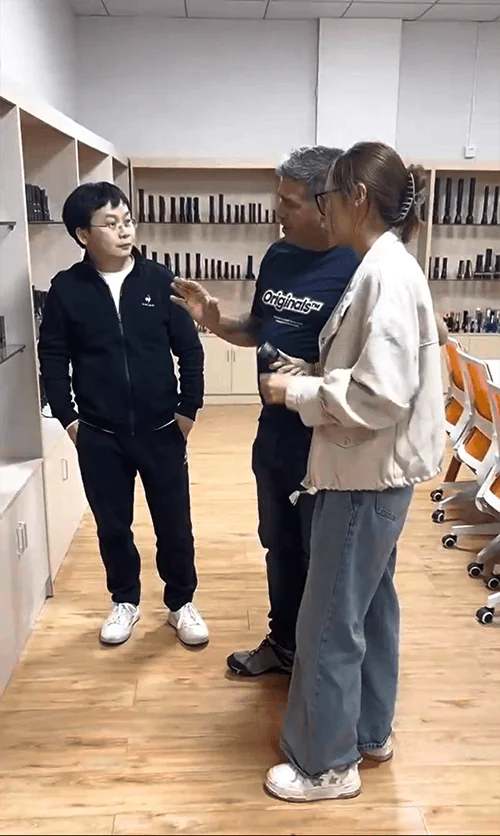
Focus on the variety of samples, process details, and update speed. You can also inquire about the sample’s R&D cycle, customization capabilities, and whether there are innovative products that meet the latest industry standards or market trends to assess the factory’s R&D strength and market sensitivity.
3.Production workshop

The key observations include the sophistication and automation level of the production equipment, the smoothness of the production line layout, whether the production process has standardized operating procedures (such as SOP documents), and the 5S management status of the workshop (sorting, straightening, sweeping, cleaning, and sustaining). These directly affect the product’s production capacity and quality stability.
4.Assembly workshop area
Pay attention to the efficiency of assembly process connections, the workers’ operational proficiency, whether there are error-proofing and mistake-proofing designs, and the flow and storage methods of semi-finished products, in order to judge the factory’s level of refined management and order delivery capabilities.
5.Inspection room
This is a crucial step in controlling product quality. It’s essential to check the accuracy and completeness of the testing equipment, whether it covers the entire process of testing raw materials, semi-finished products, and finished products, and whether the testing standards align with industry requirements or customer needs. Additionally, it’s important to understand the handling process for non-conforming products.
6.Warehouse
The key points to examine are whether the materials are stored in designated areas and clearly labeled, the approximate inventory turnover rate, and whether the temperature, humidity, and protective measures in the warehouse meet the storage requirements for materials/finished products. This reflects the factory’s supply chain management and inventory control capabilities.
Negotiate with the factory
After the visit, we can communicate with the factory to clarify the customer’s requirements, including product categories, price requirements, customization needs, and cooperation details. We will also take notes on the meeting content and compile it into a document to send to the customer afterwards.
Conclusion
With 22 years of experience as a Yiwu sourcing agent, Unionyiwu is very familiar with the surrounding factories. With countless suppliers in China, is it difficult to distinguish the right factory supplier for you? If you also need someone to accompany you on factory visits to discuss business, please contact us immediately.