

Successful pet product sourcing depends on more than just design and price. Buyers must determine whether a product serves a clear purpose, uses appropriate materials and can be produced consistently. Yiwu offers a broad product selection, while an experienced sourcing agent can turn that variety into comparable quotations, approved samples and coordinated orders from multiple factories.
Pet Product Sourcing Requires More Than Variety
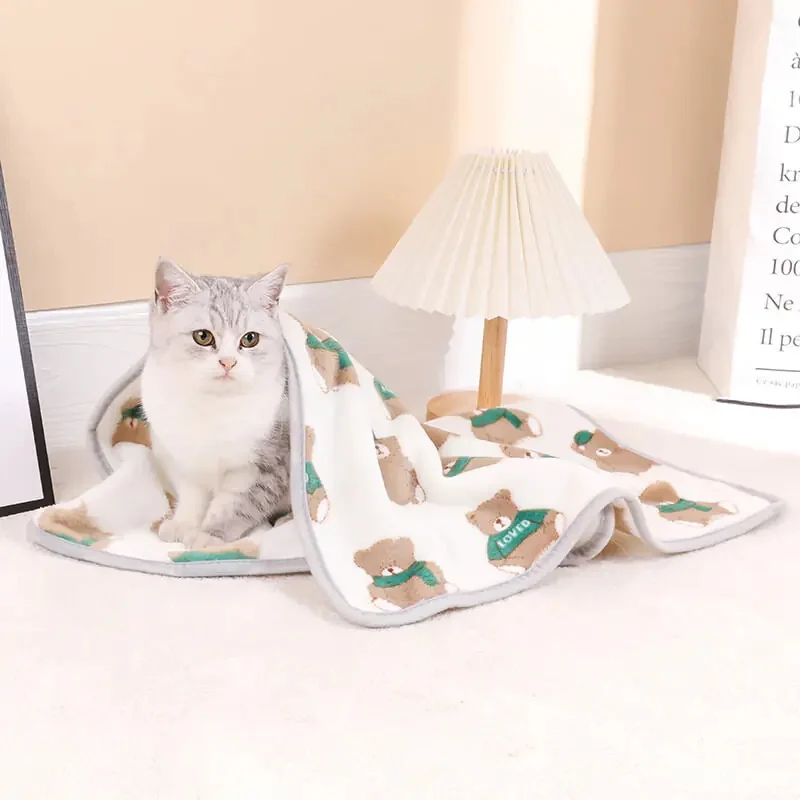
Yiwu gives buyers access to factories and suppliers covering pet toys, mats, beds, bowls, collars, leashes, carriers and grooming accessories. Its concentrated sourcing network makes it easier to compare designs and purchase several product categories within one project.
A wider selection, however, introduces more variables. Two products may look identical in photographs but use different fabrics, rubber compounds, fillings or internal structures. Quotations may also be based on different product weights, packaging methods and customization requirements. If buyers compare only images and unit prices, they may overlook differences that later affect quality, cost and delivery.
Union Yiwu acts as a sourcing agent for international importers, distributors and brands. We convert sourcing requirements into clear specifications, identify suitable factories, coordinate samples and monitor production. When a project involves several pet product categories, we can also receive and consolidate goods from different factories before shipment.
Compare Factories on the Same Quotation Basis
Supplier screening should begin with relevant manufacturing experience. A factory that specializes in textile bedding may not be suitable for molded feeding accessories, even if it offers an attractive price. We therefore review business credentials, production arrangements, customization capabilities, quality procedures and supporting documents before narrowing the supplier list.
For suitable projects, three to five factories can be shortlisted for comparison. Each factory should receive the same product specification, quantity, packaging requirements and delivery requirements. This approach produces more useful results than collecting a large number of quotations based on different assumptions.
Material grade, dimensions, weight, logo application, packaging, MOQ, lead time, testing and trade terms can all affect the final cost. For example, a quotation based on an OPP bag cannot be compared directly with one that includes a printed box. These differences should be clarified before price negotiations begin, rather than being discovered after samples have already been approved.
A comparable quotation should show exactly what is included. If a supplier substitutes a material, changes the product weight or excludes testing and packaging costs, the difference must be identified before the buyer makes a decision.

Use Samples to Support the Supplier Decision
Samples turn written claims into physical evidence. Each candidate sample should be reviewed against the same checklist, covering dimensions, weight, odor, color, workmanship, components, cleaning performance and packaging. Using one inspection basis makes it easier to distinguish real quality differences from minor visual variations.
Revised samples require the same level of attention. A factory may change the fabric, filling or internal structure while correcting a separate issue, which means the new sample may no longer match the original quotation. Every modification should therefore be recorded and confirmed rather than approved through informal messages alone.
The final production reference should include the approved sample, written specification, confirmed color information, packaging artwork and clear photographs. Together, these materials provide the factory, buyer and inspector with one consistent standard for mass production.
Sample approval should also define acceptable variation. Textile color, stitching position and product dimensions may vary slightly during production, but the permitted range should be agreed before the order begins. Without this step, different parties may interpret the approved sample in different ways.
Confirm Compliance Before Approving Packaging
Safety requirements depend on the product category, materials, intended use, claims and destination market. The term “pet-safe” cannot replace a material declaration, physical risk assessment or relevant test report. Rope toys, for instance, require attention to fibers, dyes, knots and detachable parts, while textile mats need checks covering the fabric, filling, stitching, zippers and backing materials.
Products entering the EU may fall within the General Product Safety Regulation, which has been applicable since December 13, 2024. The regulation strengthens product risk assessment and requires a responsible economic operator in the EU for covered consumer products. Packaging, traceability details and responsible-person information should therefore be considered before the artwork is approved.
Certificates and test reports should correspond to the product being ordered. A document for a similar item, for a different material or for an earlier model may not support the final specification. Buyers should check the model reference, materials, issuing laboratory, applicable standard and report date instead of accepting a certificate based only on its title.
Union Yiwu can collect supplier documents, review whether available reports correspond to the ordered model and coordinate third-party testing when required. The importer should still confirm the exact legal obligations that apply to the product category and destination market.
Coordinate Production Across Multiple Factories
Orders involving several pet product categories become more difficult to manage once production begins. Factories may work to different completion dates or use inconsistent labels, carton sizes and shipping marks. If every supplier ships separately, the buyer must also manage more documents, freight arrangements and final quantity checks.
We coordinate production schedules and arrange material incoming, in-process and pre-shipment inspections where appropriate. Buyers can receive progress updates, photographs, videos and inspection records, making it easier to identify delays or quality issues before the goods leave China.
Our warehouse of more than 10,000 square meters supports receiving, quantity verification, repacking, labeling and consolidation. Goods from different factories can be checked against the approved requirements and prepared for one coordinated shipment, which helps reduce fragmented communication and inconsistent shipping preparation.
This model gives buyers a single point of coordination while allowing each product category to be sourced from a factory with suitable materials, equipment and production experience. It also keeps supplier management, quality control and logistics connected throughout the purchasing process.
Turn Your Product Brief into Comparable Quotations
Send us your product list, reference images, expected quantities, destination and packaging requirements. Union Yiwu can help refine the brief, identify relevant factories and coordinate quotations based on the same purchasing requirements. Upload your files or request an online quotation to discuss your pet product sourcing project.
Frequently Asked Questions
What information should I send to a Yiwu sourcing agent?
Provide product images or specifications together with the target quantity, preferred materials, dimensions, colors, branding, packaging, destination and delivery requirements. A target price range is also useful because it helps the sourcing agent identify factories that match the project’s budget and market positioning.
How are pet product factories compared?
Factories should be compared according to their category experience, production capabilities, material options, customization support, quality procedures, documentation, MOQ and lead time. Their quotations must also be based on the same specifications and packaging requirements.
How can buyers verify pet product safety?
Buyers should review the product’s materials, construction, physical risks and representative samples, along with any applicable test reports and destination-market requirements. Supporting documents must correspond to the materials and model included in the final order.
Can pet supplies from different factories be shipped together?
Yes. Finished orders can be sent to a consolidation warehouse for quantity checks, labeling, repacking and combined shipping preparation. Consolidation is particularly useful when a purchasing project includes several product categories from different factories.
Can Union Yiwu coordinate customized pet products?
Yes. We can coordinate requirements such as colors, sizes, logo applications, tags, embroidery and packaging with suitable factories. Each custom detail is recorded in the specification and confirmed through samples before mass production begins.