
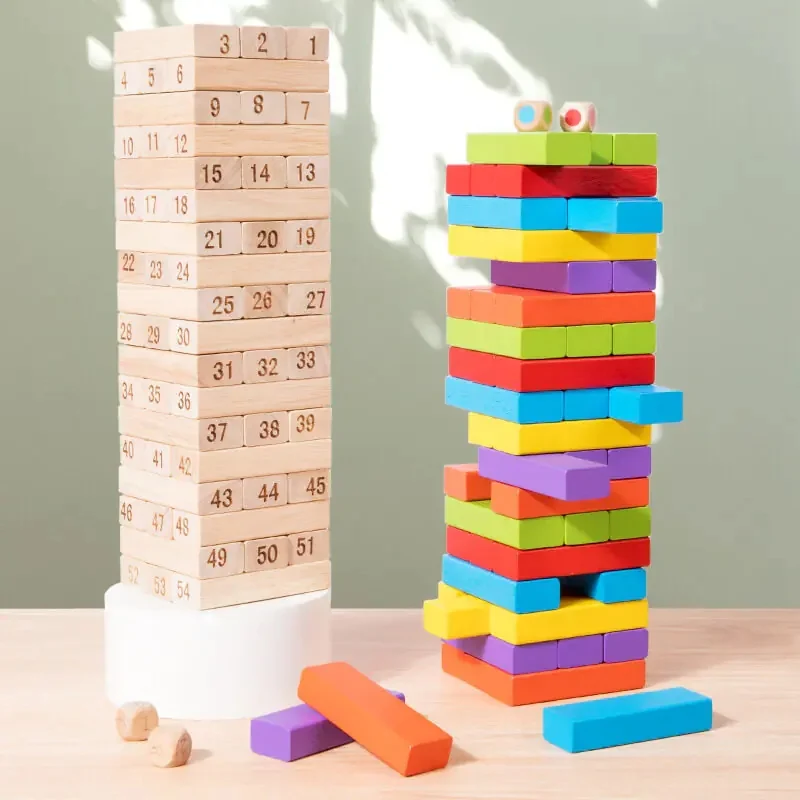
Wholesale toy sourcing becomes difficult when a visually appealing sample hides missing pieces, unclear age information, weak packaging, or mismatched documents. A focused Yiwu agent workflow turns a broad toy idea into a comparable brief, a sample standard, and an inspection plan before a bulk order decision.
Which Supplier Evidence Should Withstand Comparison?
A quote is only comparable when it is based on the same toy configuration
Supplier comparison should connect every price to the same product configuration. For a 100+ piece ABS plastic educational building block set, the product record can include the 550 g product weight, a 25.5 cm by 23.8 cm storage box, age grade 3+, color mix, instruction cards, and the exact customization requested.
The buyer should treat evidence as a filter rather than a sales promise. A supplier that quotes a lower price but cannot confirm the piece count, material, packaging artwork, or product-specific test documents has not submitted a genuinely lower-cost option.
- Product identity: record the exact set, model, age grade, and included accessories.
- Material and finish: check plastic feel, color consistency, smooth edges, odor, and visible defects.
- Commercial terms: compare MOQ, sample revision scope, customization readiness, and response quality.
- Document matching: match any test report or certificate to the toy, material, age grade, and target market.
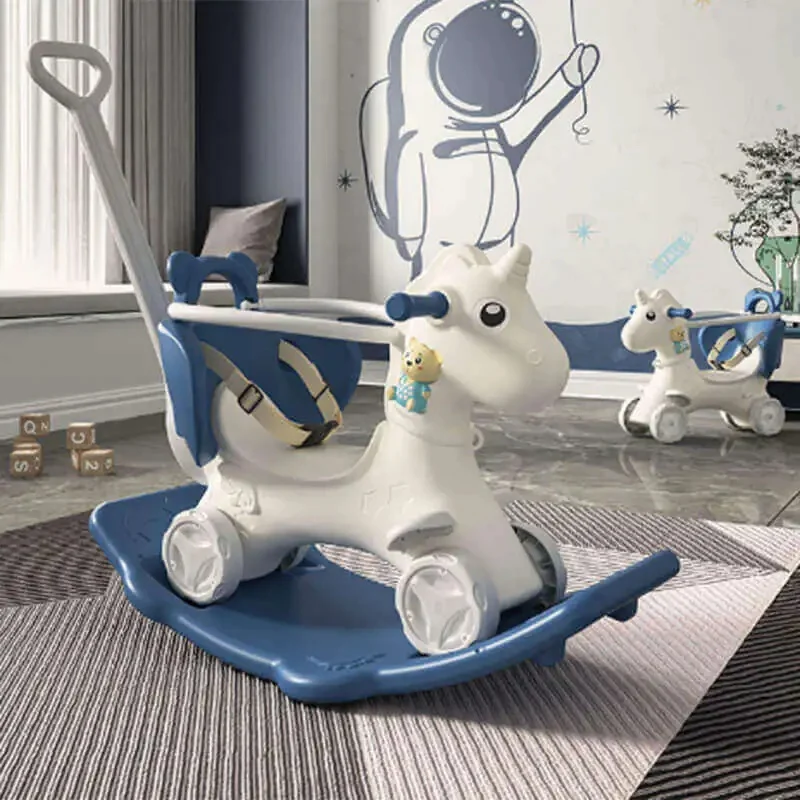
How Safety and Compliance Checks Change by Market
Safety review belongs in supplier selection because a late document problem can invalidate an otherwise attractive sample. For toys sold in the United States, ASTM F963 is a mandatory toy safety standard referenced by the U.S. Consumer Product Safety Commission, while CPSIA obligations can require product-specific testing and a Children’s Product Certificate from the responsible party.
Age grading and small-parts risk deserve early attention because they affect warnings, packaging, and the buyer’s sales channel. A building block set marked for children 3+ may still need checks for loose pieces, sharp edges, surface finish, package warnings, and whether the evidence covers the actual production version.
European buyers commonly ask for EN 71-related evidence, but no general factory certificate should be treated as proof for every toy. The useful question is whether the documents match the exact product, material, age grade, and production batch or version under review.
Why Samples Must Become the Inspection Standard
Approval records reduce arguments later
A sample becomes valuable when it is converted into a written approval record. The record should preserve approved colors, piece count, box size, instruction content, logo position, package artwork, and any acceptable tolerance for minor cosmetic variation.
For wholesale building blocks, the review should go beyond appearance. Inspectors can assemble sample structures, count the set, compare the instructions with the pieces, open and close the storage box, examine rounded edges, and rub the printed surfaces to see whether decoration remains stable during ordinary retail handling.
The same sample record should guide production monitoring and the final check. If the approved set contains a particular shape mix or color range, the inspection team should not rely on memory or a supplier photo when verifying the finished goods.
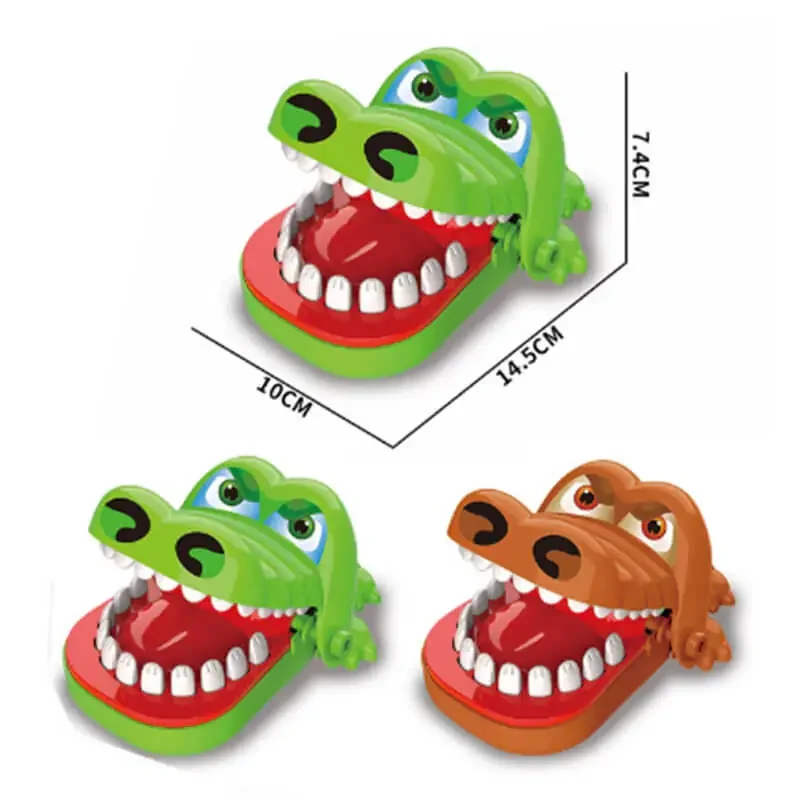
What the Final Wholesale Toy Check Should Cover
The final inspection should be organized around the buyer’s most likely quality concerns, because a toy can look acceptable and still fail in retail. Union Yiwu’s toy category coverage and more than 10 dedicated QC inspectors support a three-stage quality process: incoming material inspection, in-process production monitoring, and pre-shipment inspection.
| Inspection area | What to verify | Buyer risk addressed |
| Appearance | Color consistency, scratches, burrs, odor, surface finish | Retail complaints and products that feel unsafe |
| Function | Assembly fit, instructions, repeated use, box closure | Poor play experience and returns |
| Completeness | Piece count, shape mix, cards, accessories, inserts | Shortage claims across SKUs |
| Labeling | Age grade, warnings, material wording, barcode, market language | Channel review and compliance disputes |
When Multi-Supplier Comparison Is Worth the Time
Comparing more than one supplier is worthwhile when similar Yiwu toys carry different execution risks. A building block set, drawing kit, or novelty learning toy can vary in plastic feel, color stability, package strength, document readiness, and revision speed even when photos look nearly identical.
A dependable toy buying agent workflow holds those options to one standard: confirmed product scope, sample result, customization readiness, inspection risk, and supplier communication. The buyer can then decide whether documentation, packaging, or sample speed matters most for the target channel instead of defaulting to the lowest unit price.
The best comparison ends with a clear next action. Approve one sample standard, list the unresolved evidence, confirm the market-specific labeling and testing route, and ask the selected supplier to price only the version that can actually be inspected against that standard.
The Buyer’s Decision Becomes Clearer
A reliable wholesale toy decision rests on five linked checks: define the toy precisely, compare suppliers against the same configuration, verify market-specific evidence, turn the approved sample into an inspection standard, and document the final result by product and SKU. That sequence keeps variety useful while preventing attractive but weakly specified toys from moving too far into the order process.
For a planned toy program, contact Union Yiwu with your toy brief and include the target age, product category, package plan, quantity range, customization needs, and destination market so the first supplier comparison starts with the right filters.
FAQ
What toy details should I give a Yiwu agent first?
Provide the category, target age, material preference, core function, package type, quantity range, customization needs, and destination market. Those details make supplier requests comparable from the beginning.
Are Yiwu toys suitable for wholesale buyers?
They can be useful when variety is paired with supplier screening, sample approval, product-specific documents, and inspection. A broad market selection is a starting point, not a quality decision.
How are educational building blocks inspected?
Inspectors should confirm piece count, color consistency, edge smoothness, assembly fit, odor, storage-box quality, instruction accuracy, labeling, and package completeness against the approved sample.
Do all children’s toys need the same test documents?
No. Requirements depend on the destination market, toy type, age grade, material, and functions. Evidence should match the actual product version rather than a general factory certificate.
Can a toy order include custom packaging?
Yes, suppliers may support box design, logo placement, color options, and instruction inserts. The customized version should be sampled and approved before it becomes the production standard.